
5 Common Misconceptions About Hiring An Illustrator

Over the past few years of trial, error, and—most importantly—continuing to try again, I’ve learned something important: creating a truly great picture book is not easy. Though it is a ton of fun!
Creating quality picture books is part art, part science (books are actually quite technical to bring to market), and a lot of collaboration. The collective expertise of the author, illustrator, editors, book designer, formatter, and others is what makes a book ‘pop’. And while all partnerships matter, when you are the author and publisher, your collaboration with the illustrator of your book is particularly critical, delicate, and more nuanced than many expect.
Below are a few reasons why, along with five misconceptions I’ve heard new self-publishing authors express about hiring an illustrator, and some questions to pose to yourself that may help you think about the topic differently. My thoughts on these are based on my experience creating seven books to date (and I’m still continuing to work to improve how I collaborate). Of course, each of these misconceptions can be debated and every situation is unique.
Above all else, think of your illustrator as a critical member of your publishing team. The stronger your team, the better your book. Okay, on to the meaty part.
It's called a PICTURE book for a reason!
First, one basic reason a strong collaboration with the illustrator is key is that, as you likely already know, the artwork works really hard in a picture book. If a picture book were a relay race and the art and words were on the same team, the art would be running more legs of the race.
The art is the first thing people see on the cover. It can tell stories at a glance and show emotion and movement in ways text simply can’t. And because young readers have shorter attention spans, they need something visually engaging to stay connected. This art-and-words relationship applies to self-published books and traditionally published books.
But, the interplay of art and words isn't the only thing that makes the relationship between the author/publisher and the illustrator in indie or self-publishing nuanced and delicate. It also has to do with business structure.
Building a book is a business.
In traditional publishing, the illustrator is typically selected by the publisher. The author often doesn’t meet the illustrator and usually has little to no input on the art (unless they are also the illustrator). The illustrator reports to, and is paid by, the publisher. An art director helps guide the creative vision, collaborating with the illustrator and book designer. That vision is shaped by multiple departments, including sales, marketing, and editorial. By the time art begins, the author’s role is sometimes largely complete.
When you’re publishing your own book, you’re also serving as the department head for many parts of your publishing operation. This may include serving as the creative director. This is not a bad thing if you recognize that this role is a distinctly different role from your author role. If you stay too rooted in your “author” mindset, you may unintentionally limit the illustrator by viewing the story only through the lens of the words you’ve already written.
This dual role requires you, the author, to force yourself to stop thinking about how the art can support the text and instead give the illustrator freedom to let the art show something your words can’t. As long as you both understand the theme of the book and overarching message that you want the reader to walk away with, this freedom will make the end result all the more fun for little readers.

5 Common Misconceptions About Hiring An Illustrator
Below are five common misconceptions I’ve heard from new self-publishing authors—and a few questions to help you reframe them.
1. "Illustrators just need to draw what I wrote."
Actually, good illustrators elevate the story, adding emotion, subtext, and moments your words don’t say. They are creative people, bringing their own unique ideas and visual voice to the table.
Questions to ask yourself:
How can the illustrator round out and enhance the story, create a visual world that kids will love, and add elements of surprise (hidden characters, additional storyline, etc.)?
Are there words I can actually remove from the story now that I see the art start to take shape (example: “She rode home in a green car.” There is no need to say “green” if it is in the illustration)
2. "AI can replace an illustrator."
While I believe AI is good for some tasks, it cannot accurately capture emotion, maintain a consistent character design across pages, or produce proper human or animal movements. (This was one of the more debated points in the online forum where I first posted the list of five misconceptions, because some author-publishers are already using AI for illustrations.)
Questions to ask yourself:
Do I want this book to compete with books from larger traditional publishers?
Who is the ideal buyer, and do they value human-created art?
Does the art just mirror the story or is it sufficiently enhancing it?
3. "The illustrator can design and layout the book."
Occasionally, illustrators have the skills to do this. But they are different from illustration skills. Book designers and formatters lay out the book and package it for printing, using various tools. Someone who is very good at illustration can be very poor at book design, and vice versa, even though both roles involve visual art. Think of it like an author’s role versus an editor’s role. Many writers are poor at copyediting (um, me, for example), even though both roles involve working with words.
Questions to ask yourself:
Do I believe their samples look like traditionally published books?
Do I feel confident they work in layout tools (e.g., Adobe InDesign instead of Adobe Illustrator, for example)?
Are typography details like kerning, tracking, and leading handled well in the other books they’ve designed?
4. "I will just give really detailed guidance."
In most cases, this isn’t necessary. Over-directing can crush creativity. Some illustrator notes are okay, but then trust the illustrator's vision.
Questions to ask yourself:
Do I trust my illustrator to contribute ideas (hopefully yes)?
(If so) Am I leaving room for them to surprise me?
5. "Well, it’s my book."
Yes and no. Yes, you're funding it (likely through a work-for-hire arrangement) and have the final say as the publisher. But if you go into a partnership with that mindset, the illustrator will likely not feel empowered to do their best work. The shift from control to collaboration will lead to a much stronger final book.
Questions to ask yourself:
Am I treating this as a partnership?
Have I created a channel and space for open ideas and feedback?
Have I explicitly asked them for their ideas?
BONUS TIP: Asking for “just one more change” isn't always harmless.
Writing about this last part feels especially timely for me because I strained a collaboration with an illustrator recently while trying to gather and incorporate feedback from multiple third parties.
Continual revisions can unintentionally stifle creativity and strain a partnership because the illustrator never fully knows when they are truly done.
Each contract should clearly outline:
the number of revision rounds included,
expected feedback timelines,
and how consolidated feedback will be delivered.
If you’re working with third parties who need to weigh in on the art (editors, distributors, nonprofits, educators, etc.), factor those stakeholders into your timeline from the beginning and consolidate feedback before sending it to the illustrator.
Questions to ask yourself:
Who besides me needs to review and approve the art?
Have we agreed upon revision rounds and timelines?
Did I consolidate all feedback into one clear, digestible format?
Did I sit on the feedback for a day before hitting send to ensure it’s truly necessary?
The Bottom Line
If you’ve made it this far, you’re clearly someone who wants to learn and create the best book possible. That already puts you well ahead of the many people who say, “Oh, you write children’s books? I have an idea for one. Wanna hear about it?”
Picture books are not just written. They are built by teams who collaborate well together, and you are striving to do just that. Keep going!
Meet Cortney:
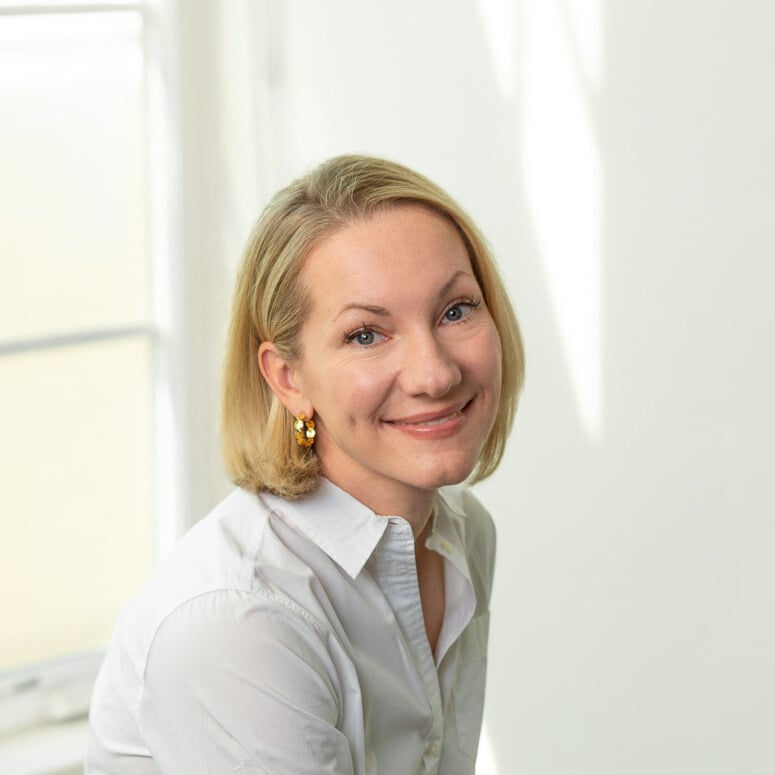
Cortney Cino founded Whimspire Books in 2023, jumping into the world of picture books from a career in life sciences marketing and management consulting. It’s been quite the ride. While she’s still selling through the first print run of her debut title (she’ll reserve printing lessons learned for a separate post), her latest book, Arlo Needs Your Help, earned a Kirkus Star. That progress—along with the smiles and giggles from young readers—fuels her work. To find out more about Whimspire Books or Cortney, visit whimspirebooks.com.


Comments